Join our team
Do you have the passion and determination to make a difference in the lives of people with complex needs?
Do you have the passion and determination to make a difference in the lives of people with complex needs?
From hospital care to a life built on trust, choice, and independence
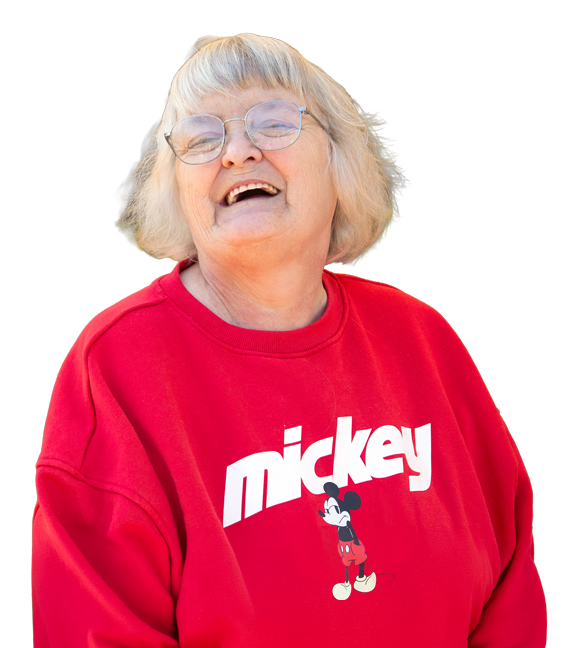
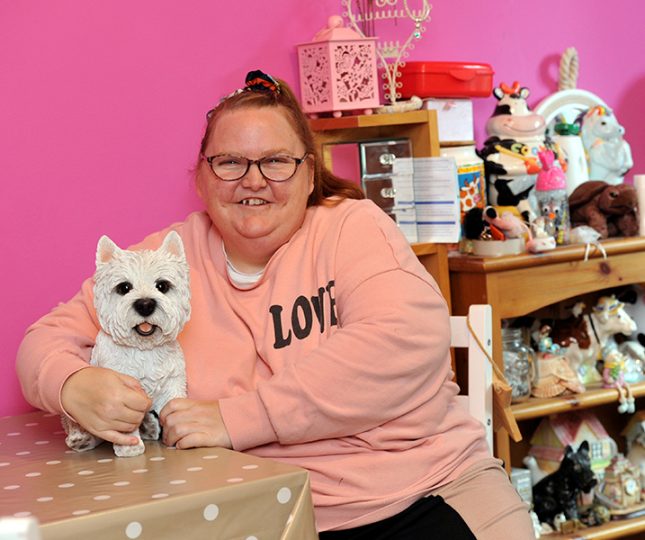
Wendy has been supported by Precious for over five years and lives at Fenny Mews, where she is a familiar and well-liked presence. Wendy describes herself as friendly and sociable and enjoys bringing people together whether that’s arranging parties, heading out for breakfast, or planning her next bingo win. Family, independence, privacy, and personal respect are incredibly important to her.
Today, Wendy is confident, socially connected, and actively involved in her community. Reaching this point has required highly skilled, thoughtful support, shaped around a deep understanding of Wendy as a person.
Before coming to Precious, Wendy experienced a long period of instability and distress. She spent time in hospital where it was recognised that she required specialist, psychologically informed support to remain safe and well.
Wendy’s distress was closely linked to how safe and in control she felt in her environment. When routines changed unexpectedly, when decisions were made without her consent, or when her privacy felt invaded, Wendy could become overwhelmed. On difficult days, she might withdraw from others, stay alone in her flat, refuse support, or become distressed and break items.
Wendy has always been clear about what affects her wellbeing. She finds it particularly difficult when staff change without warning, when people talk about her rather than to her, when she feels bossed about or told what to do, or when promises are made but not followed through. Although Wendy wanted independence, previous placements struggled to balance safety with autonomy, often leaving her feeling misunderstood and unsettled.
I like to have fun, be independent, and be treated like an adult.Wendy
Following her discharge from hospital, Wendy was keen to continue building her independence and move into her own flat. With support, she explored suitable accommodation and chose to move to Fenny Mews.
From the very beginning, Precious took a different approach. Rather than focusing solely on managing risk, the team focused on understanding Wendy her history, her triggers, her strengths, and what mattered most to her.
Wendy was actively involved in decisions about her support and was never rushed or pressured. Staff understood that trust would take time and allowed Wendy to engage at her own pace.
At Precious, Wendy’s support is shaped around choice, clarity, and consent.
Alongside her day-to-day support, Wendy has benefited from input from Precious’ internal multidisciplinary team. This has included regular involvement from psychologist Darren Hinder and speech and language therapist Lucy Genova.
Wendy has shared how helpful Lucy’s work has been, particularly the use of social stories. These have supported Wendy to understand and prepare for significant life events and changes, including coping with the loss of her mum, planning holidays, and managing other major transitions. Having information presented in a clear, structured, and accessible way has helped Wendy feel calmer, more in control, and better able to process change.
Psychological input has supported the team to understand Wendy’s emotional needs, responses to distress, and triggers more deeply, ensuring that support remains consistent, proactive, and psychologically informed.
Wendy has shared that she likes information to be written down so she has time to read and reflect. She does not like being told what to do and values being treated like an adult whose opinions and choices matter. Staff respect Wendy’s privacy, stepping back when she needs space and responding when she invites support.
Wendy is open and honest in her communication and knows this can sometimes come across as direct. Staff understand this as part of who Wendy is and respond with calm, respectful communication. By listening to Wendy’s views and involving her fully in decisions, the team has supported her to grow in confidence, independence, and self-advocacy.
This consistent, respectful approach has been key to reducing distress and helping Wendy feel safe and understood.
Today, Wendy’s life looks very different.
Her social confidence has blossomed, and she now enjoys interacting with staff and other residents every day. Wendy chooses how her days look and does not follow a fixed routine. Instead, she decides what she wants to do depending on how she feels and who is supporting her a level of flexibility that has been essential to her wellbeing.
Wendy is an early riser and often enjoys independent trips to Tesco. She likes to start her mornings with colouring or sequence art and regularly goes out for breakfast at Morrison’s or enjoys breakfast at home always brown toast, and never eggs.
She enjoys bingo on Saturdays, shopping trips to places like B&M and Hobbycraft, and playing board games and cards with staff. Wendy has also been learning to cook new dishes, including chicken meals, with staff guidance when she wants it.
Music and fun play a big part in Wendy’s life. She loves karaoke, listening to ABBA, and taking part in group celebrations and shared meals. She also enjoys community coach trips and holidays, having visited all the Butlins locations and already looking forward to her next trip to Bognor Regis.
Wendy’s progress has come from being truly understood. When people have experienced trauma, loss, and repeated disruption, distress is often a response to feeling unsafe or unheard. Our work with Wendy has focused on helping the team recognise her triggers, respond consistently, and prioritise choice and consent. By creating an environment where Wendy feels respected and in control, we’ve seen a significant reduction in distress and a real increase in confidence, independence, and emotional wellbeing.Psychologist – Darren Hinder
Family remains central to Wendy’s life. She keeps in regular contact with her sisters and enjoys visits with her twin sister. Wendy had a close relationship with her mum, who sadly passed away in 2024, and at times this loss can be upsetting for her.
To support Wendy through her grief, a small, personal memorial space has been created specifically for her in the garden at Fenny Mews, giving her a quiet place to remember her mum in a way that feels meaningful to her. Wendy also continues to visit her mums grave with support when she chooses. Being able to honour these connections in her own way is an important part of Wendy feeling grounded, supported, and emotionally safe.
Wendy’s progress has not come from restriction or control. It has come from being listened to, respected, and trusted.
Since being supported by Precious, Wendy has maintained a stable home for over five years, reduced distress and periods of withdrawal, built strong, trusting relationships with staff, increased independence in the community, grown in confidence and self-advocacy, and reconnected with enjoyment, fun, and purpose.
As Wendy herself says, being treated with personal respect and having her choices listened to has helped her live well in the community alongside professionals, family, and others.
Subscribe to receive the latest news, service updates, events, and insights from Precious.